
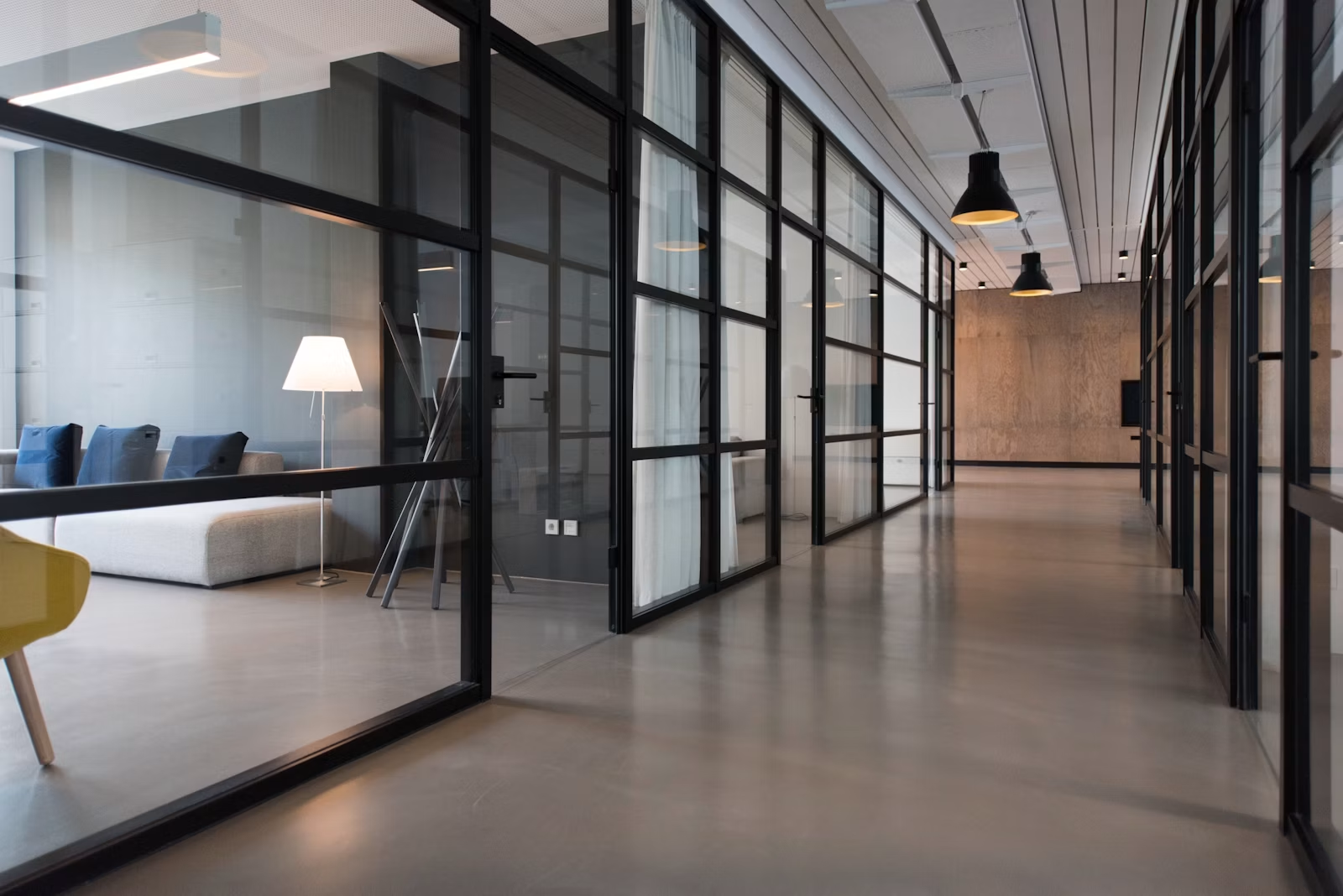
Office cleaning frequency should reflect the people using the building and the tasks that need to happen each visit. Two offices with the same floor area can need very different service schedules. An appointment-based business with steady visitor traffic needs a different plan from a small team that works remotely several days a week.
Start with occupancy and shared spaces
Count the people using the office on a normal day, including employees, clients, and contractors. Identify restrooms, breakrooms, reception areas, and meeting spaces that receive the most use. Those spaces often drive the routine more than an unused private office.
Document the work for every visit. That might include trash collection, restroom cleaning, kitchen surface care, vacuuming traffic areas, and cleaning accessible shared surfaces. Specify what happens in rooms that are not occupied every day.
Choose a workable service interval
Daily or several-times-weekly visits may be appropriate for a busy office with public restrooms and frequent visitors. Weekly service can suit some lower-traffic workplaces when staff handle immediate spills and basic upkeep between visits. A walk-through helps the service team propose a realistic schedule.
Avoid comparing proposals only by monthly total. Compare the number of visits, task list, staffing assumptions, and whether supplies are included. A lower price can reflect fewer tasks or less frequent service.
Plan periodic detail work
Not every task belongs in every appointment. Interior glass, high dusting, carpet extraction, and machine floor care should have a defined interval and suitable access. The material and manufacturer instructions determine which products and methods are appropriate.
If the office handles medical procedures, regulated materials, or specialized equipment, explain those requirements before requesting a general office cleaning proposal. Those environments may need a separate scope and qualified specialists.
Set access and security expectations
Decide who provides keys, alarm codes, visitor access, and parking instructions. Identify confidential rooms and whether the team needs escorted access. Ask employees to secure papers and personal items before cleaning.
A clear-desk policy makes it easier to clean suitable surfaces while protecting documents and devices. The service team should know which items may be moved and which equipment must remain untouched.
Review the plan when the office changes
More staff, new flooring, a different layout, or added customer traffic can change the work required. Review the checklist when those changes occur. Ask how extra work is approved and how concerns should be reported.
For a local proposal, share your cleanable square footage, restrooms, occupancy, floor types, and preferred access hours. Office cleaning in Brandon and commercial cleaning explain the details that help create a useful scope.